Free course · Recorded
End of life care, through medical and Islamic eyes
A free recorded course with Professor Ahmed Hegazy on the decisions clinicians face at the end of life, from DNACPR to withdrawing life support, and how they sit alongside Islamic teaching.
- Free
- 17 video lectures and a quiz
- About 1.5 hours
- Certificate of completion
- Rated 5.0 by learners

Some of the hardest conversations in medicine happen at the end of life.
When a family asks whether stopping treatment is allowed in their faith, it helps to understand both the medical and the religious view. This course sets them side by side, so you can talk with patients and families with knowledge and respect.
Who should enrol
For clinicians who care for patients at the end of life
Doctors in intensive care, anaesthesia and acute medicine
Palliative and end of life care teams
Nurses and allied health professionals
Anyone caring for Muslim patients and their families
What you will learn
Four themes, from limits of care to the definition of death
Treatment and its limits
- Seeking treatment and cure: the medical and religious view
- Setting limits on care with DNACPR
- Is DNACPR like helping a patient to end their life?
- When care seems futile, should we refrain from support?
Withdrawing life support
- Stopping life support
- Withdrawal of life support: the Canadian protocol
- Vegetative state and withdrawal of care in Islam
Death and dying
- Defining death in medicine and in Islam
- Preparing for death in Islam
- Medical assistance in dying: is it allowed in Islam?
Questions from practice
- Opiates at the end of life
- DNACPR without a third licensed physician
- Family involvement and managing conflict
See every lesson (17 lectures, a quiz and a summary)
- Introduction of Professor Ahmed Hegazy as the course speaker
- Course outline
- Course introduction
- Seeking treatment and cure: religion and medicine point of view
- Stopping life support
- Withdrawal of life support (the Canadian protocol)
- Setting limits on patient care (DNACPR)
- Is DNACPR like helping a patient to commit suicide?
- Medical assistance in dying: is it allowed in Islam?
- How to prepare for death in Islam
- Death: its definition in medicine and in Islam
- Essential closure
- Q1: When care seems futile, should we refrain from support?
- Q2: Opiates in end of life care may hasten death; are they permissible in Islam?
- Q3: Without a third licensed physician for a DNACPR order, should you still go ahead?
- Q4: Family involvement, conflict management and religion in DNACPR decisions
- Q5: Vegetative state and withdrawal of care from an Islamic perspective
- End of course quiz
- End of life lecture summary
From past students
Rated 5.0 from 1 review
“yes it was a really good, well evidence backed course”
Nebiyou Hussein Kebede
Your speaker
Taught by Professor Ahmed Hegazy
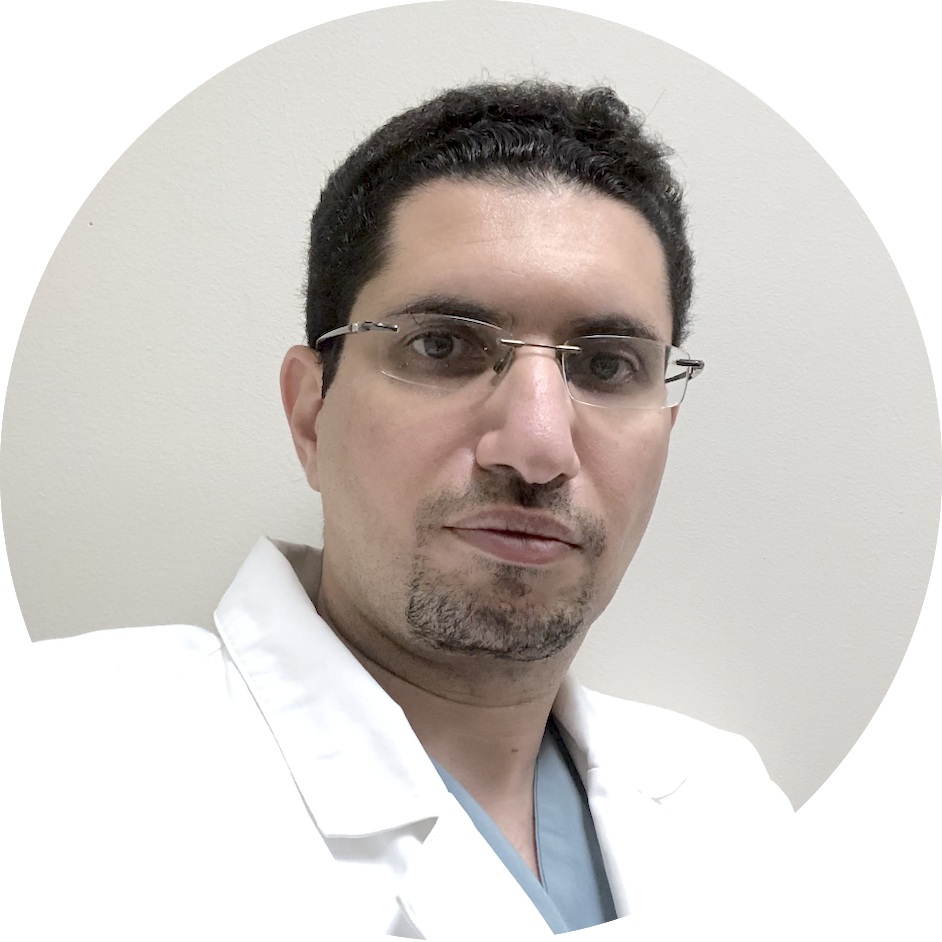
Prof. Ahmed Hegazy
Academic Director
Critical Care Consultant
Head of Department Cardiac Surgery ICU, Madinah Cardiac Centre, Madinah, KSA.
Associate Professor, Critical Care Medicine and Anesthesiology,
University of Western Ontario, Canada.
Enrol
Approach end of life decisions with knowledge and compassion
Free course
End of Life Between Medicine and Religion
- 17 recorded lectures
- End of course quiz and lecture summary
- Certificate of completion
- Lifetime access, watch on any device
Questions
Frequently asked questions
Is the course really free?
Yes. There is nothing to pay. You only need a free Saving Lives Academy account to enrol.
Is it live or recorded?
It is recorded, so you can start straight away and learn at your own pace.
How long do I have access?
You have lifetime access from the day you enrol.
Do I get a certificate?
Yes, you receive a certificate of completion when you finish the course.
Whose views does the course express?
The views expressed are the speaker’s own. Saving Lives Academy provides this course for information only.