PVI Masterclass · Recorded, watch any time
Read the ventilator, and give your patients breaths that match their own
An expert-led masterclass in patient–ventilator interaction, from lung mechanics and waveforms to recognising, managing and preventing asynchrony at the bedside. In collaboration with the Patient Ventilator Interaction Network and the Society of Mechanical Ventilation.
- 6 modules
- 12 months’ access
- 34 CPD credits
- Over 23 hours of teaching
- Rated 5.0 by past students

Stop looking at waveforms. Start reading them.
Asynchrony between patient and ventilator is common, often missed, and threatens lung protection. This masterclass bridges respiratory physiology and real-time bedside action, so you can spot asynchrony, adjust settings with confidence and help your patients wean sooner.
Who should enrol
For everyone who manages ventilated patients
Intensivists, anaesthetists and pulmonologists
Critical care fellows and residents
Respiratory therapists
ICU nurses
Clinical educators in mechanical ventilation
What you will learn
Six modules, from lung mechanics to prevention
1. Introduction to mechanical ventilation
- Lung mechanics and work of breathing
- Normal versus mechanical breaths
- Taxonomy of ventilation modes
- Ventilator waveform basics
2. Patient–ventilator interaction
- Measuring patient effort
- P-SILI and diaphragm dysfunction
- Taxonomy of PVI
- The INTERACT workflow
3. Diagnosis with waveform analysis
- The asynchrony index
- Systematic waveform analysis
- Trigger, inspiratory, cycling and expiratory asynchrony
- Mixed asynchrony
4. Advanced monitoring
- Diaphragm ultrasound
- Airway and oesophageal pressure
- Neural activity (EAdi)
- Automated PVI detection
5. Managing PVI patterns
- Strategies for each phase of asynchrony
- Pharmacological control of respiratory drive
- NAVA and PAV
6. Preventing asynchrony
- Optimal initial and individualised set-up
- Intelligent and adaptive modes
- Advanced monitoring simulations
Also included
Practise on simulated cases, then test yourself
Simulation webinars
9 interactive webinars and simulation sessions on waveforms, effort and complex asynchrony cases.
Handbooks and post-tests
A handbook for every module, with a post-test at the end of each one.
CPD accredited, 34 credits
A certificate of completion with 34 accredited CPD credits for your portfolio.
The masterclass booklet
Browse the full programme
From past students
Rated 5.0 from 9 reviews
“Excellent course, highly skilled teachers and lots of new things learned.”
Leonardo Fioravanti
“Excellent course with clear, practical explanations of patient–ventilator interaction.”
Laura Teresa Barberis
“One of the best courses I have attended.”
Nehad Nabeel Al Shirawi
The faculty
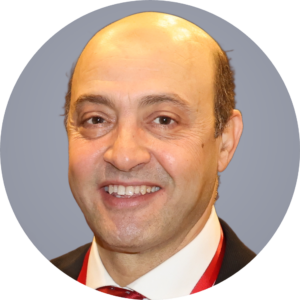
Taught by international experts in mechanical ventilation















In collaboration with
Partners and sponsors
Enrol
Master patient–ventilator interaction at your own pace
Recorded course
PVI Masterclass
- 6 modules, from lung mechanics to prevention
- 32 expert lectures and 9 simulation webinars
- Module handbooks and post-tests
- Certificate with 34 accredited CPD credits
- 12 months’ access, watch on any device
Questions
Frequently asked questions
Is the masterclass live or recorded?
The masterclass is recorded, including the interactive webinars and simulation sessions, so you can start straight away and learn at your own pace.
How long do I have access?
You have 12 months’ access from the day you enrol.
Who is it for?
Intensivists, anaesthetists, pulmonologists, critical care fellows and residents, respiratory therapists, ICU nurses and clinical educators in mechanical ventilation.
What does it cover?
Six modules: an introduction to mechanical ventilation, patient–ventilator interaction, diagnosis with waveform analysis, advanced monitoring, managing PVI patterns and preventing asynchrony. See the curriculum.
Do I get a certificate?
Yes, you receive a certificate of completion when you finish the masterclass.
Is the masterclass CPD accredited?
Yes. The masterclass is CPD accredited for 34 credits. The accreditation runs until 11 October 2028.